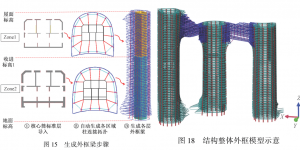
[论文][Article] 参数化设计在某复杂外形超高层连体建筑外框结构中的应用 (Application of parameterized design in exterior frame structure of a complex shaped super high-rise connected building)
实干、实践、积累、思考、创新。 这篇论文介绍了一种针对复杂外形超高层连体建筑的外框结构参数化自动生成技术。研究基于Rhino/Grasshopper平台及自研ColPosOpt程序,解决了复杂立面建模中柱位优化、楼面梁规则生成等痛点,显著提升了设计效率与精度。 以下将论文相关资料整理出来,感兴趣的朋友可以下载原文查看。 【题目】 参数化设计在某复杂外形超高层连体建筑外框结构中的应用 【英文题目】 Application of parameterized design in exterior frame structure of a complex shaped super high-rise connected building 【作者】 崔济东, 张俊毫, 李雪蕾, 陈寅, 廖耘 【英文作者】 CUI …
新著 |《Grasshopper 建筑结构参数化建模应用实例》 出版啦!
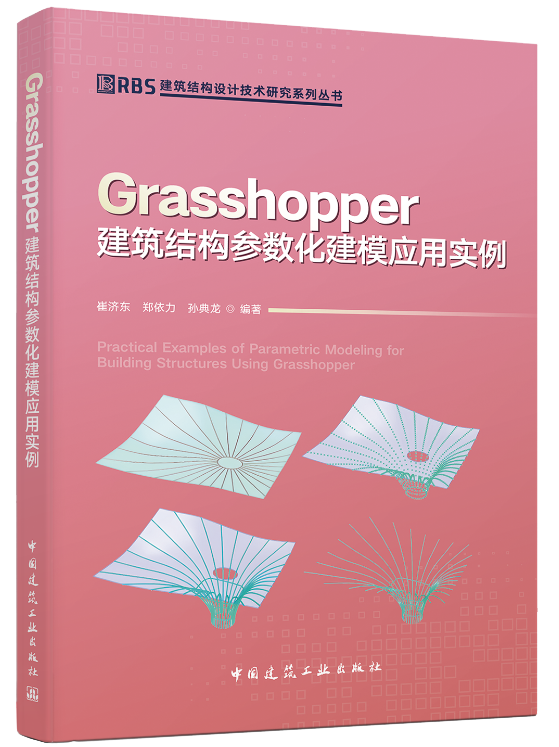
这是一本介绍Grasshopper进行建筑结构参数化建模的书籍,也是www.jdcui.com的第6本著作,欢迎感兴趣的小伙伴关注。 书籍《Grasshopper建筑结构参数化建模应用实例》已出版!!这是一本介绍Grasshopper进行建筑结构参数化建模的书籍。书本由我和郑依力、孙典龙一起编写。这是继《PERFORM-3D原理与实例》、《有限单元法—编程与软件应用》、《结构地震反应分析 编程与软件应用》、《有限单元法 Python编程》、《结构地震动力学响应 Python编程》后,我们编写的第六本著作。对这本书感兴趣的朋友可以关注。 The book “Practical Examples of Parametric Modeling for Building Structures Using Grasshopper” has been published!! This book introduces parametric modeling of architectural structures using Grasshopper. …
楼盖结构振动舒适度分析的荷载取值及其对质量和荷载激励的影响
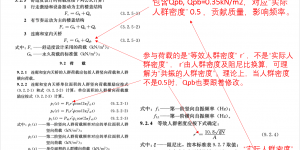
实干、实践、积累、思考、创新。 近期审阅了几份楼盖振动舒适度分析报告,发现其中存在一些共性问题。借此机会,我也对相关要点作一梳理与总结。 本文主要依据《JGJ∕T 441-2019 建筑楼盖结构振动舒适度技术标准》(以下简称《标准》),总结楼盖结构振动舒适度分析中的荷载取值及其对质量、荷载激励的影响。 楼盖振动舒适度分析与常规承载力设计在荷载取值上有所不同。在承载力设计中,荷载取值越大往往越保守;而在舒适度设计中,荷载取值不仅作为输入激励,也参与结构质量的形成,进而影响结构自振频率与振动响应。例如,对于附加恒载,若取值偏大,则质量增加,根据单自由度体系共振响应理论,质量增大会降低共振响应,此时计算结果反而可能偏于不安全。而对于参与振动的人群等效荷载,它同时作为激励荷载和质量荷载,其增减对加速度响应的影响并非单调,因此必须合理取值。《标准》第3.2节即对荷载取值作出了专门规定。 下图是《JGJ∕T 441-2019 建筑楼盖结构振动舒适度技术标准》的3.2节,其主要内容可归纳为以下几点: 第3.2节规定的荷载用于计算楼盖的自振频率和振动加速度,即所选荷载将影响结构质量。 永久荷载 Gk应取下限值。因为若永久荷载取值偏大,通常会会降低结构的共振响应,因此需按《标准》取下限或合理值,避免因过度保守导致安全隐患。 对于行走激励和设备振动,主要考虑恒载 Gk和有效均布活荷载 Qq,Qq按表3.2.3取值。该值较承载力设计的活荷载小很多,故称为“有效”。 以有节奏运动为主的楼盖(如舞厅、健身房等),需同时考虑恒载 Gk、有效均布活荷载 Qq 和人群荷载 Qp,Qp按表3.2.4取值。 根据表3.2.4及条文说明,人群荷载大致按单人重量 0.6~0.7 kN,结合不同场所的人群密度确定: 舞厅、演出舞台一般取 0.8 人/m²; 演唱会、体育看台一般取 2.0 人/m²; 仅进行有氧健身操的健身房取 0.3 人/m²; 兼有器械与有氧健身的健身房约取 0.2 人/m²; 体育场馆室内运动场地人员稀疏,可参照后者取 0.2 …
[论文][Paper] 深圳某400m双塔连体结构TLD风振控制可行性研究 (Feasibility investigation of wind-induced vibration control using TLD for a 400-meter twin-tower connected structure in Shenzhen)
The structural system of a 400m twin-tower linked project in Shenzhen features a frame-core tube configuration with outriggers and belt truss strengthening story, comprising eastern and western towers connected by connective structure. Due to complex architectural geometry, high wind loads, and unique site-specific wind conditions, under 10-year return period wind loads from the southeastern direction, the towers exhibit significant dynamic responses. Wind-induced accelerations at the tower tops substantially exceed code limits, resulting in occupant comfort deficiencies. To address this, tuned liquid dampers (TLDs) were proposed for wind vibration control. Spectrum analysis was employed to identify governing vibration modes of structural wind-induced responses. Time-history analysis was conducted to evaluate wind-induced dynamic responses of the TLDs-equipped structure, with parametric sensitivity analysis subsequently optimizing TLD design parameters. The results demonstrate that the structural base shear and the wind-induced acceleration spectrum at the eastern tower top exhibit a single-peak characteristic, primarily governed by the first translational mode of the eastern tower. The wind-induced acceleration spectrum at the top of the western tower shows a double-peak characteristic, influenced concurrently by the first translational modes of both the eastern and western towers. TLDs installed atop the eastern tower significantly reduce base shear and wind-induced accelerations at both tower tops. However, TLDs at the top of the western tower only effectively mitigate accelerations perpendicular to the connective structure but show no significant control effect on accelerations along the connective structure direction, the accelerations at the top of the eastern tower, or the structural base shear. Furthermore, when TLDs are installed simultaneously at the tops of both towers, wind-induced accelerations are effectively controlled, ensuring compliance with code-specified limits.
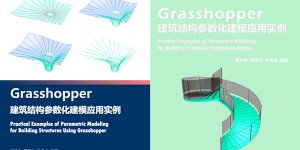
[投票] Grasshopper建筑结构参数化建模应用实例 (封面)
实干、实践、积累、思考、创新。 新书《Grasshopper建筑结构参数化建模应用实例》即将出版,初步设计了一下几个封面,欢迎大家评论区给我们投票,看看哪个方案比较合适。 方案1: 方案2: 方案3: 方案4: 方案5: 方案6: 关于我们 超限复杂高层结构设计 | 美标欧标结构设计| 软件定制开发| 环评减振控制 |人行及风致振动控制 | 减隔震设计 | 施工过程模拟 | 小品钢结构 | 有限元仿真分析 | BIM与GH参数化 | 大震弹塑性分析 https://www.jdcui.com 合作及技术咨询 COOPERATION …
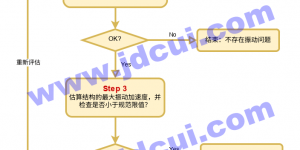
[振动控制] 人行桥、连廊、天桥人致振动舒适度评估步骤 [Assessment steps for human induced vibration comfort of footbridges and corridors]
实干、实践、积累、思考、创新! 最近搞了几个连廊舒适度分析,人行桥、连廊、天桥人致振动舒适度评估和一般楼盖舒适度分析有所不同,涉及到等效人群的概念,对荷载的计算和施加均有影响,此外还可能涉及竖向、横向、纵向三个方向的振动问题。 查了相关资料,做个总结,人行桥、连廊、天桥人致振动舒适度评估步骤,如下图 相关博文 ( Related Topics) [00] [数学][地震动][软件] FOUR_TRAN: Fourier Analysis Tool [傅里叶分析工具] [01] [数学][软件] FOUR_TRAN Example 1: Filtering [FOUR_TRAN傅里叶分析工具使用案例1: 滤波] [02] [数学][软件] FOUR_TRAN Example 2: Square Wave Signal …
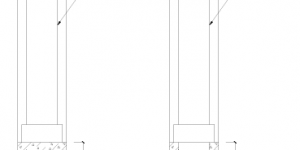
[地基与基础] 内夯沉管灌注桩(施工工序)
实干、实践、积累、思考、创新。 内夯沉管灌注桩 在 《建筑桩基技术规范》JGJ 94-2008中的6.5节提及。 内夯沉管灌注桩本质上是沉管灌注桩的一种变种,采用外管与内夯管并结合锤击沉管,实现夯压、扩底作用,在锤击沉管灌注桩的基础上,实现了扩大头,增加了加桩尖阻力和桩侧摩擦力。 所以内夯沉管灌注桩又称为 夯扩桩。 内夯沉管灌注桩的主要施工工序: (1)在桩位处按要求放置干混凝土(外管封底) (2)将内外管套叠对准桩位 (3)通过锤击将双管打入地基中至设计深度 (4)拔出内夯管 (5)向外管贯入高度为H的混凝土 (6)内管放入外管内压在混凝土面上,并将外管拔起一定高度h (7)通过锤击与内夯管夯打外管内混凝土,使桩头外扩 (8)夯打管内混凝土直至外管底端深度略小于设计桩底深度,此过程即为一次夯扩,如需二次夯扩,重复4~8步骤 (9)拔出内夯管 (10)在外管内贯入桩身所需的混凝土,并在上部放入钢筋笼 (11)将内管压在外管内混凝土面上,边压边缓缓拔起外管 (12)将双管同步拔出地标,成桩过程完毕 PS. 理解了施工过程,就理解了桩的特点及相关公式。 关于我们 超限复杂高层结构设计 | 软件定制开发| 环评减振控制 |人行及风致振动控制 | …
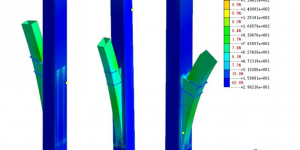
[项目案例] 拱与柱连接节点有限元分 [Finite element analysis of arch column connection nodes]
实干、实践、积累、思考、创新。 来自 团队 小伙伴 吴金诚 的分享 ! 拱与柱连接柱脚节点有限元分析 01 工程背景 最近做了一个拱与柱连接柱脚节点有限元分析,跟大家分享一下。图1~图2是节点的平面大样以及三维轴侧图,钢管柱柱内设置横隔板和竖隔板,保证拱内力的有效传递;横隔板中设置浇筑洞口,保证混凝土的浇筑质量;另外,考虑到施工误差隔板厚度比相应拱截面壁厚厚2mm。 图1.1 拱柱脚平面大样 图1.2 拱柱脚平面三维轴测图 02 计算结果 2.1 混凝土构件 钢管柱内混凝土最大主应力为21.2MPa,出现在支座端,主要因为支座端应力集中导致;柱中最大主应力为16.15MPa。均满足要求。 图2.1 钢管柱柱内混凝土最大主应力(MPa) 2.2 型钢构件 …
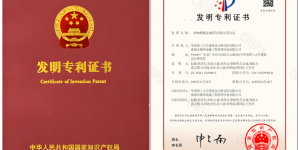
[发明专利] 一种细腰楼盖地震作用的计算方法
实干、实践、积累、思考、创新。 做个小小尝试,我们对目前工程中广泛应用的细腰型楼盖建筑结构体系的抗震设计进行了相关研究,与华工院合作,提出“一种细腰楼盖地震作用的计算方法”,并申请了发明专利,做个记录。 本发明公开了一种细腰楼盖地震作用的计算方法,该方法以细腰楼盖为界,将结构分塔定义为“弱侧结构+细腰楼盖+强侧结构”三部分,通过振型分解反应谱法获得各部分各振型的地震作用;仅保留弱侧结构的地震作用,重新进行静力分析,获得细腰楼盖各振型的地震作用效应,并进行CQC振型组合,获得细腰楼盖振型组合地震作用效应,再与其他荷载工况的效应进行组合得到细腰楼盖的抗震设计结果;最后与传统振型分解反应谱法的结果进行包络,得到细腰楼盖最终的抗震设计结果。本发明的细腰楼盖地震作用计算方法前提假定少,可充分反映细腰楼盖两侧结构的错动变形,激发细腰楼盖的不利状态,解决了目前细腰楼盖抗震设计的关键问题,工程推广容易。 //PS. 另外还整理了一系列论文在审稿中,希望能早日见刊。 关于我们 超限设计 | 软件定制开发| 环评减振控制 |人致振动控制 | 减隔震设计 | 施工过程模拟 | 小品钢结构 | 有限元开发 | BIM与参数化 | 大震弹塑性 追求卓越 脚踏实地 致力于探索和拓展行业设计前沿 https://www.jdcui.com 合作及技术咨询 COOPERATION & …

[土与基础] 柱对基础的冲切与柱对楼板的冲切 [Punching Shear in foundation slabs and floor slabs]
实干、实践、积累、思考、创新。 总结一下两类板的冲切:(1)柱对基础板的冲切(2)柱对楼板的冲切 (1)柱对基础板的冲切 柱对基础板的冲切如下图所示。由图可见,柱对基础板的冲切,本质上是柱上部传来的力F对板的冲切,而G(基础板自身的重力及作用在板的力)是不引起冲切的(这里隐含一个假设G是均匀分布的,其引起的基础反力刚好和作用力抵消),因此,计算冲切的时候,是用柱的力F减去基底净反力(基底总反力减去G引起的部分)。 (2)柱对楼板的冲切 柱对楼板的冲切如下图所示。由图可见,柱对楼板的冲切也是柱的力F冲切楼板,本质上起作用的是板的自重加板上的荷载G,F可理解为反力,因为F和G本质上是静力平衡的。而在柱对基础板的冲切中,板的自重及板上的荷载G是不起作用的。 关于我们 超限设计 | 软件定制开发| 环评减振控制 |人致振动控制 | 减隔震设计 | 施工过程模拟 | 小品钢结构 | 有限元开发 | BIM与参数化 | 大震弹塑性 追求卓越 脚踏实地 致力于探索和拓展行业设计前沿 https://www.jdcui.com 合作及技术咨询 COOPERATION …
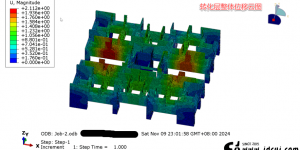
[项目资料] 采用ABAQUS进行转换层实体有限元分析流程分享 [Finite Element Analysis of transfer structures using solid element]
来自小伙伴 吴金诚 的分享,采用ABAQUS进行转换层实体有限元分析流程分享 实干、实践、积累、思考、创新。 01 工程背景 转换层梁与上部墙体存在偏心,上部结构竖向转换层及水平向荷载通过转换梁进行传递,转换梁受力较受力复杂。《深圳市高层建筑混凝土结构技术规程》对此也有相关的规范条文,要求对采用梁式或板式转换时,应该进行实体有限元分析。需要对转换层进行实体有限元分析以确定其应力分布规律,找到结构薄弱部位,并采取相应的加强措施。 图1.1 规范中关于转换层实体有限元分析条文 目前,常用结构分析软件盈建科可以将局部采用实体单元进行分析,但仍可能存在以下几点问题:①模型中仅将混凝土采用实体单元分析,不能考虑分析转换层中的钢筋、钢骨等构件应力状态。②盈建科建模时,被转换墙肢与转换梁的偏心主要通过刚性杆连接,与实际受力转态有偏差。③盈建科分析主要为弹性分析,单元类型选择较少,无法看到受力状态下,转换层的损伤情况或钢筋钢骨的屈服状态。ABAQUS是工程中常用的大型通用有限元软件,非线性分析功能强大,可选择的单元类型多。因此,小编尝试用ABAQUS进行转换层的实体有限元分析。 02 CAD建立三维几何模型 首先,在CAD中建立转换层的三维几何模型,包括混凝土构件、钢筋、钢骨构件。分析模型转换层相关梁墙柱构件截面尺寸、位置按初设图纸实际建模,以考虑上部剪力墙偏置对转换梁的不利影响。 图2.1 转换层CAD三维模型 03 CAD三维模型导入ABAQUS 将CAD三维模型导入ABAQUS,并进行指定材料截面信息、边界条件及荷载、网格划分等步骤。 图3.1 CAD几何模型导入ABAQUS 04 计算结果 分析完成后,可以看到转换层的位移、应力云图等结果。 图4.1 ABAQUS转换层分析结果 相关博文 ( Related Post) [01] [工程][案例][资料] 某农业玻璃温室结构设计 [Structural …
[预告] 《Grasshopper 建筑结构参数化建模应用实例》即将出版!![Grasshopper Building Structure Parameterized Modeling Application Example]
新书即将出版…… 这是一本介绍Grasshopper进行建筑结构参数化建模的书籍,也是www.jdcui.com的第5本著作,欢迎感兴趣的小伙伴关注。 书籍《Grasshopper 建筑结构参数化建模应用实例》即将出版!!这是一本介绍Grasshopper进行建筑结构参数化建模的书籍。书本由我和团队成员郑依力、孙典龙一起编写。这是继《PERFORM-3D原理与实例》、《有限单元法——编程与软件应用》、《结构地震反应分析——编程与软件应用》、《有限单元法 Python编程》后,我们团队编写的第五本著作。对这本书感兴趣的朋友可以关注。 The book “Application Examples of Grasshopper Building Structure Parameterized Modeling” is about to be published!! This is a book that introduces Grasshopper for parametric modeling …

[结构设计] 竖向荷载弯矩调幅
实干、实践、积累、思考、创新。 竖向荷载弯矩调幅目的是减小竖向荷载下框架梁端的负弯矩,同时增加梁跨中的正弯矩,人为控制内力重分布,以减轻梁端配置过大不利于施工的现象。 竖向荷载梁端弯矩调幅问题,主要两个关键点入手分析: (1)正常使用,裂缝问题。 竖向荷载调幅将梁端支座负弯矩配筋,调整到梁底部,理论上就可能涉及支座开裂。 (2)承载力,安全问题。 梁端弯矩调幅涉及塑性内力重分配,理论上涉及非线性行为,调幅是否过大,过大时内力重分部设计上是否有完整考虑到,而不仅仅是单根梁的安全问题。 相关话题 ( Related Topics) [01] [工具][软件][规范] 广东省标准《高层建筑混凝土结构设计规范》反应谱计算工具 [02] [结构力学][结构设计] 两端固支梁弯矩为0点距端部的距离 [03] [抗震][结构设计][规范] 非抗震设计情况下混凝土柱的“轴压比”可达多大? [04] [结构设计][动力学] YJK中CQC振型组合地震力的复核 [05] [结构设计][楼梯] 混凝土楼梯施工图笔记 [06] [结构][设计][规范] 关于结构倾覆力矩计算公式的另一种理解 [07] …
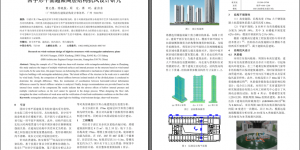
[论文][Paper] 回字形平面超限高层结构抗风设计研究 (Research on wind-resistant design of highrise structures with rectangular-ambulatory plane )
实干、实践、积累、思考、创新。 小伙伴 黄元根 负责的项目,与其他项目相比,回字形平面风荷载具有一定的特殊性,相关项目可以参考。 【题目】 回字形平面超限高层结构抗风设计研究 【英文题目】 Research on wind-resistant design of highrise structures with rectangular-ambulatory plane 【作者】 黄元根,陈晓航,周 定,蒋 珂,崔济东 【英文作者】 HUANG Yuangen, CHEN Xiaohang, ZHOU Ding, JIANG Ke, …

[记事] 劲性复合桩工地参观学习(strength composite pile)
实干、实践、积累、思考、创新。 今天去工地参观学习劲性复合桩,有收获,做个记录。 劲性复合桩可以狭隘理解为一种水泥土搅拌桩与预应力管桩结合的一种复合桩型。(PS.更严谨的定义可以查阅相关规范和文献) (图片来源于网络) 施工过程是先用搅拌桩机进行水泥土搅拌桩施工,然后在水泥搅拌桩未凝固时,往中间压入预制管桩。 实际施工时搅拌桩和预制管桩可以是通过一体机施工,也可以分开两个机械施工。图1施工中的就是一台一体机。 劲性复合桩的原理是利用水泥土搅拌桩较大的接触面积来提供侧摩阻力,由于水泥土的过渡作用,桩侧摩擦性能较好,而该桩基的桩身强度由内部预制桩控制。 相关博文( Related Topics) [01] [工具][软件][规范] 广东省标准《高层建筑混凝土结构设计规范》反应谱计算工具 [02] [结构力学][结构设计] 两端固支梁弯矩为0点距端部的距离 [03] [抗震][结构设计][规范] 非抗震设计情况下混凝土柱的“轴压比”可达多大? [04] [结构设计][动力学] YJK中CQC振型组合地震力的复核 [05] [结构设计][楼梯] 混凝土楼梯施工图笔记 [06] [结构][设计][规范] 关于结构倾覆力矩计算公式的另一种理解 [07] [结构设计][规范] …
[结构设计] 光伏支架风荷载受力特点 [Wind load characteristics of photovoltaic brackets]
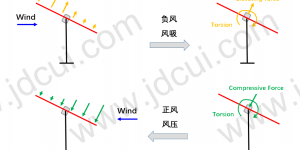
实干、实践、积累、思考、创新。 光伏支架风荷载受力特点。 风沿着背面吹,即常说的负风,在光伏面板上产生风吸力,光伏面板上的风吸力通过檩条转换为主轴的扭转和拉力。 The wind blows along the back, commonly known as negative wind, generating wind suction on the photovoltaic panel. The wind suction on the photovoltaic panel is converted …
《建筑结构可靠性设计统一标准》(局部修订征求意见稿)
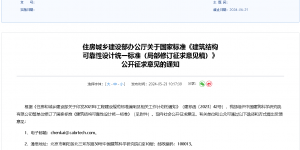
实干、实践、积累、思考、创新。 近日,国家住房城乡建设部发布了《建筑结构可靠性设计统一标准》的 局部修订征求意见稿 公告,如下 《建筑结构可靠性设计统一标准》局部修订征求意见稿: 原文链接:https://www.mohurd.gov.cn/gongkai/zhengce/zhengcefilelib/202405/20240522_778140.html 本次修订的主要内容是:1.完善与强制性工程规范《工程结构通用规范》配套的技术要求;2.细化建筑结构安全等级的分类规定;3.修改有关“设计使用年限”的条文规定;4.对附录“既有建筑可靠性评定”的条文进行修改。 以下截取一些主要的修订: (1)设计使用年限 改为 设计工作年限 (2)量化 建筑结构安全等级 划分 (3)明确 设计工作年限 应从竣工验收日期起算 (4)取消结构设计工作年限25年的类别 (5)明确既有建筑加固改造时抗震设防标准和荷载作用的参考依据 其他更详细的修订查看原文。 结构|超限|软件开发|编程|参数化|优化|算法|振动控制|减隔震|有限元|技术培训 追求卓越 脚踏实地 致力于探索和拓展行业设计前沿 https://www.jdcui.com 合作及技术咨询 COOPERATION & CONTACT E-mail:jidong_cui@163.com …
《抗规》和《混规》 2024局部修订,改为推荐性标准!
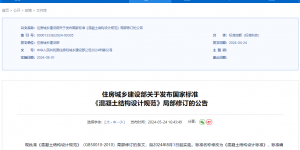
实干、实践、积累、思考、创新。 近日,国家住房城乡建设部发布了《建筑抗震设计规范》和《建筑抗震设计规范》的局部修订公告,如下 《建筑抗震设计规范》局部修订: 原文链接:https://www.mohurd.gov.cn/gongkai/zhengce/zhengcefilelib/202405/20240523_778179.html 国家标准《建筑抗震设计规范》(GB50011-2010)局部修订的条文,自2024年8月1日起实施。标准名称修改为《建筑抗震设计标准》,标准编号修改为GB/T50011-2010。 《混凝土结构设计规范》局部修订: 原文链接:https://www.mohurd.gov.cn/gongkai/zhengce/zhengcefilelib/202405/20240523_778180.html 《混凝土结构设计规范》(GB50010-2010)局部修订的条文,自2024年8月1日起实施。标准名称修改为《混凝土结构设计标准》,标准编号修改为GB/T50010-2010。 结构|超限|软件开发|编程|参数化|优化|算法|振动控制|减隔震|有限元|技术培训 追求卓越 脚踏实地 致力于探索和拓展行业设计前沿 https://www.jdcui.com 合作及技术咨询 COOPERATION & CONTACT E-mail:jidong_cui@163.com WeChat & Tel: 13450468449
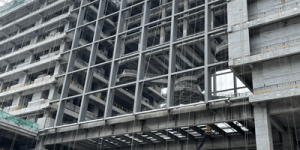
[记事] 悬挂连桥项目参观学习
实干、实践、积累、思考、创新。 [图片记录] 最近现场参观的某悬挂连桥项目,现场学习,收有获。 结构|超限|光伏支架|软件开发|编程|参数化|优化|算法|振动控制|减隔震|有限元|技术培训 追求卓越 脚踏实地 致力于探索和拓展行业设计前沿 https://www.jdcui.com 合作及技术咨询 COOPERATION & CONTACT E-mail:jidong_cui@163.com WeChat & Tel: 13450468449